Aligner Instructions
Congratulations on beginning your journey to a straighter, healthier smile!
As a big part of your Invisalign success relies on your compliance and hard work, these instructions are designed to help your treatment progress smoothly and predictably.
Knowing your aligners

Understanding Your Aligners
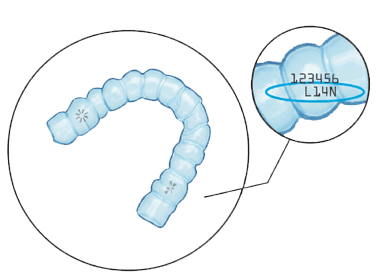
So that you always know that you have the right aligner in, each aligner is numbered and marked for upper (U) or lower (L) teeth.
Inserting Your Aligners
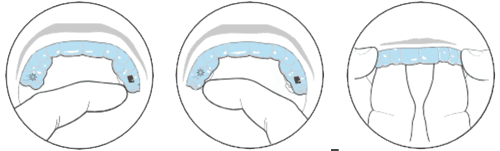
Position the aligner over your teeth and press gently from front to back.
Clicking sounds are normal; after the initial click the tray is usually ~80% seated.
Use finger pressure and avoid biting the aligners into place as this can cause cracking.
Using Chewies
To get the trays to seat the last 20%, bite and hold for three seconds (avoid chewing up and down).
Begin at the front middle teeth, then move to one tooth each side (you only need to use the chewies on 3 sites over your front teeth only)
Your back teeth will seat naturally with your normal bite.
Use chewies every time you insert aligners.
Removing Your Aligners
Most people use their index finger, or you can use your thumb and index finger. Do what feels most effective and comfortable!
Begin at the back molars, lift the aligner off the tongue side (the side with no buttons) first, and move forward.
Repeat on the opposite side.
Wearing your aligners
What to Expect Initially
Mild pressure or tightness.
You may feel that you are salivating (and swallowing) more; sometimes your mouth may feel more dry.
Although rare, some people experience headaches and tenderness to biting as their teeth move and straighten - this is often relieved with over the counter analgesics like Panadol and Nurofen.
Teeth may feel slightly loose or wobbly, particularly lower front teeth; this is normal. If you are concerned, extend tray wear to 10–14 days per tray and notify your doctor.
Aligner Wear Time
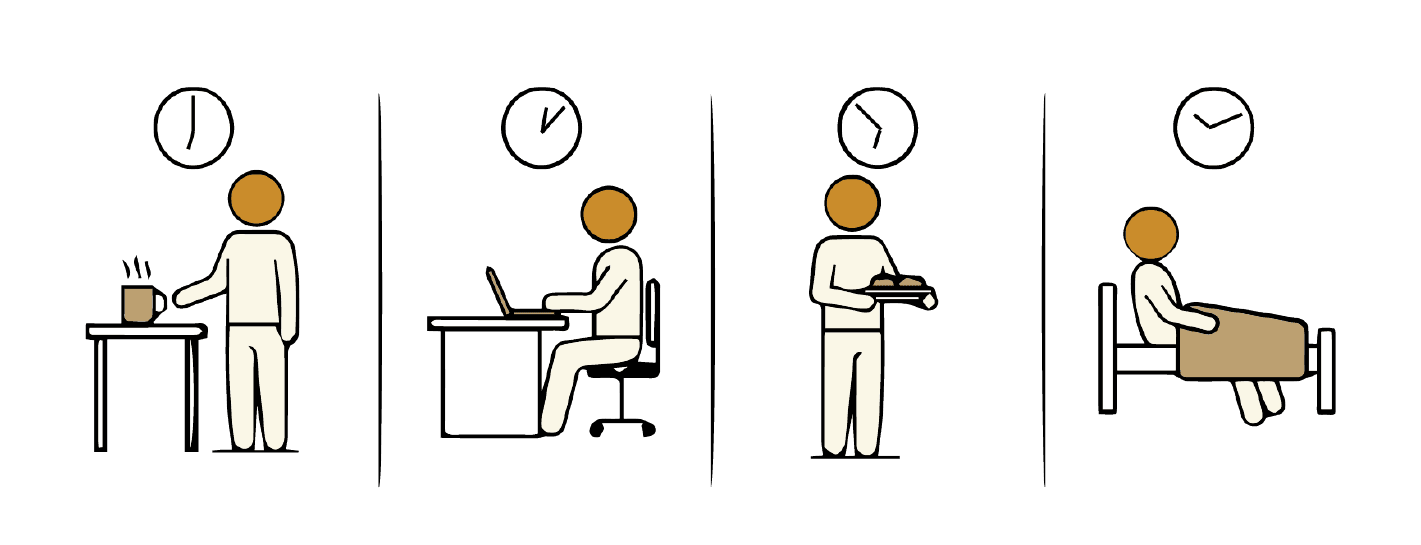
Wear each aligner for 20–22 hours per day, removing only for eating and brushing.
Cold or room-temperature drinks do not require removal, although bear in mind highly pigmented drinks (wine, tea, coffee) may stain aligners.
If wear time is shortened on a given day (i.e. if you have removed them for more than 2-4 hours that day), extend wear time for that tray by 1–2 days.
Changing to a New Aligner
When you are due to change over to a new tray, we recommend doing it at night, after brushing your teeth.
New trays are tight initially; sleeping through the first hours aids comfort.
Use a recurring calendar reminder to help you remember when your next new trays are due.
Elastics (If Prescribed)
Follow your doctor’s instructions carefully on the wear configuration.
These are typically worn full-time, unless advised otherwise.
Aligners are great at getting teeth straight but elastics are crucial for bite correction (i.e. fitting your top and bottom teeth over each other well).
Maintaining your aligners
Cleaning and Caring for Aligners
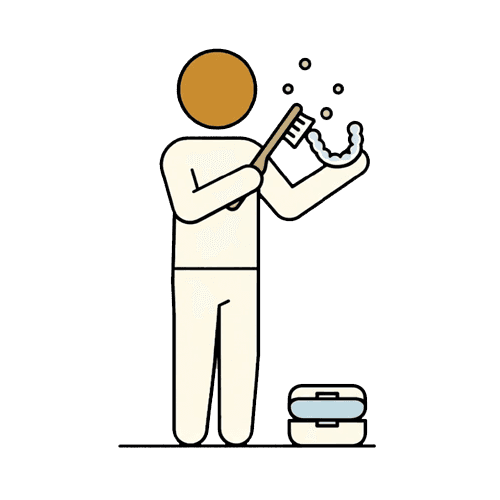
Brush inside and outside whenever you brush your teeth.
Use non-whitening toothpaste and rinse with cool or lukewarm water only.
Avoid highly pigmented foods/drinks when possible: wine, coffee, tea, turmeric, curries.
For a deeper clean, use cleaning tablets or ultrasonic baths (like jewellery cleaners), usually available from supermarkets or online.
Aligner Case and Chewies
Always store aligners in the provided case when not in use.
Keep one chewie in the case for convenience.
Replace chewies when flattened or worn - let us know if you need more.
Attachments (Buttons)
If an attachment is lost or broken, take a photo and send it to us.
This helps us see if it is a critical attachment, which may require you to come in to replace it to ensure proper tooth movement.
Supporting attachments may not require an immediate visit.
When to Contact Us
Contact the clinic, send us a photo if possible, if you experience:
A visible gap between a tooth and aligner (especially on your upper front teeth)
Aligner not seating snugly over your teeth (or if it feels like the aligner is bouncing on them).
Cracked or broken aligner.
Sharp edges irritating tongue or lips (you can sometimes use a nail file to smooth the sharp edges, but if unsure, please contact us).
Aligner gone missing - find the closest next aligner (if not possible, the closest previous aligner) and wear it.

Your treatment doesn’t end when you leave the clinic - aftercare is an important part of your smile journey too. We’ve prepared simple aftercare guides for each treatment, including Oral Surgery, Invisalign, Teeth Whitening, Kois Deprogrammer and Dental Implants, to help you care for your teeth and mouth after your visit. If you experience discomfort or have any concerns, please contact us right away - our team is here to help.
Disclaimer: These guides are for general reference only and do not replace the specific advice given by your dentist or doctor. Please follow their instructions carefully, and contact the clinic if you are unsure about anything.

Disclaimer: All reviews featured on this page have been directly sourced from Google Reviews. The content reflects the opinions of individual reviewers and may not represent the views of the business or its affiliates. We do not modify or alter these reviews, and they are presented as-is.
© 2026 Surry Hills Dental Centre. All rights reserved.