Post-Operative Care For Dental Implants
Great job getting through your surgery! The way you treat your surgical site afterwards will significantly affect the healing process, so we have created these instructions to help you care for your surgical site and minimise the risk of complications.
Post Appointment
After 20 minutes, you can remove the gauze from the surgical site if any and throw it away. We will give you a supply of gauze sponges to place over the bleeding area. These are only needed if there is recurrence of bleeding. Be sure to call our office if bleeding persists profusely for over 12 hours, and if you have concerns, or contact the Emergency Department if after hours.
A clot will form on the extraction site, and this clot is vital to the healing process. To keep the clot intact; avoid touching the extraction site with your tongue or fingers. Do not rinse your mouth the day of the surgery, do not spit vigorously. Do not drink with a straw for 72 hours.
You can minimise pain and swelling by applying an ice pack or a bag of frozen peas 5 minutes on, 5 minutes off. It is normal to experience some swelling during the healing process, especially if your surgery was long.

Later That Day
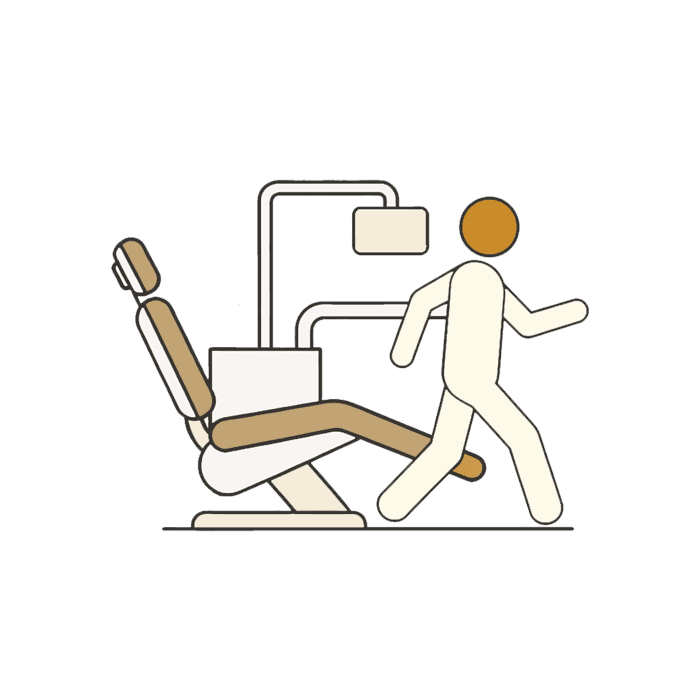
Avoid doing anything that raises your heart rate, or blood pressure (eg. strenuous activities) following surgery, as this can increase bleeding. When your lay down, keep your head elevated to control bleeding.
You can start to eat once the numbing has worn off, avoid hot and hard foods like tea coffee, nuts, seed, and crunchy foods. Stick to cold and soft foods like yoghurt, soups, ice-cream, or soft cooked eggs for the first week.
Some discomfort after the surgery is normal. Over the counter pain relievers, such as Ibuprofen or Paracetamol work great when taken together (as long as you have no allergies to them). We can also give you a prescription for a stronger pain reliever if needed. To avoid nausea, do not take pain medication on an empty stomach.
Pain medication works best when taken regularly - take your first dose as soon as you start to feel the numbness wearing off, and continue at recommended intervals (always check medication packaging and follow the maximum daily dosage).
Preventing Infection
Twice daily, rinse gently with a 0.2% chlorhexidine mouthwash such as Curasept, gently swish the solution around the surgical site, and spit carefully.
You can gently brush your teeth from the first night onwards. Please avoid the surgery side for the first week so you don't dislodge the clot, as this could lead to complications.
From week two begin normal hygiene routine. Use an extra soft toothbrush twice a day focusing on the teeth either side of the implant.
Smoking, drinking alcohol or allowing food particles to pack into the surgical site should be avoided, as it will significantly affect the healing process.
If antibiotics were prescribed, continue to take them for the indicated length of time, even if all symptoms and infection are gone.
If you have had any sinus treatment please do not snorkel, free dive or blow your nose for at least two weeks or until you get clearance from your doctor at your review.
Your temporary tooth will be refitted as soon as possible after the implant surgery. If you notice the denture or retainer is too tight or pressing against your stitches or gum, please contact us to have it adjusted.
Your treatment doesn’t end when you leave the clinic - aftercare is an important part of your smile journey too. We’ve prepared simple aftercare guides for each treatment, including Oral Surgery, Invisalign, Teeth Whitening, Kois Deprogrammer and Dental Implants, to help you care for your teeth and mouth after your visit. If you experience discomfort or have any concerns, please contact us right away - our team is here to help.
Disclaimer: These guides are for general reference only and do not replace the specific advice given by your dentist or doctor. Please follow their instructions carefully, and contact the clinic if you are unsure about anything.
Disclaimer: All reviews featured on this page have been directly sourced from Google Reviews. The content reflects the opinions of individual reviewers and may not represent the views of the business or its affiliates. We do not modify or alter these reviews, and they are presented as-is.
© 2026 Surry Hills Dental Centre. All rights reserved.